
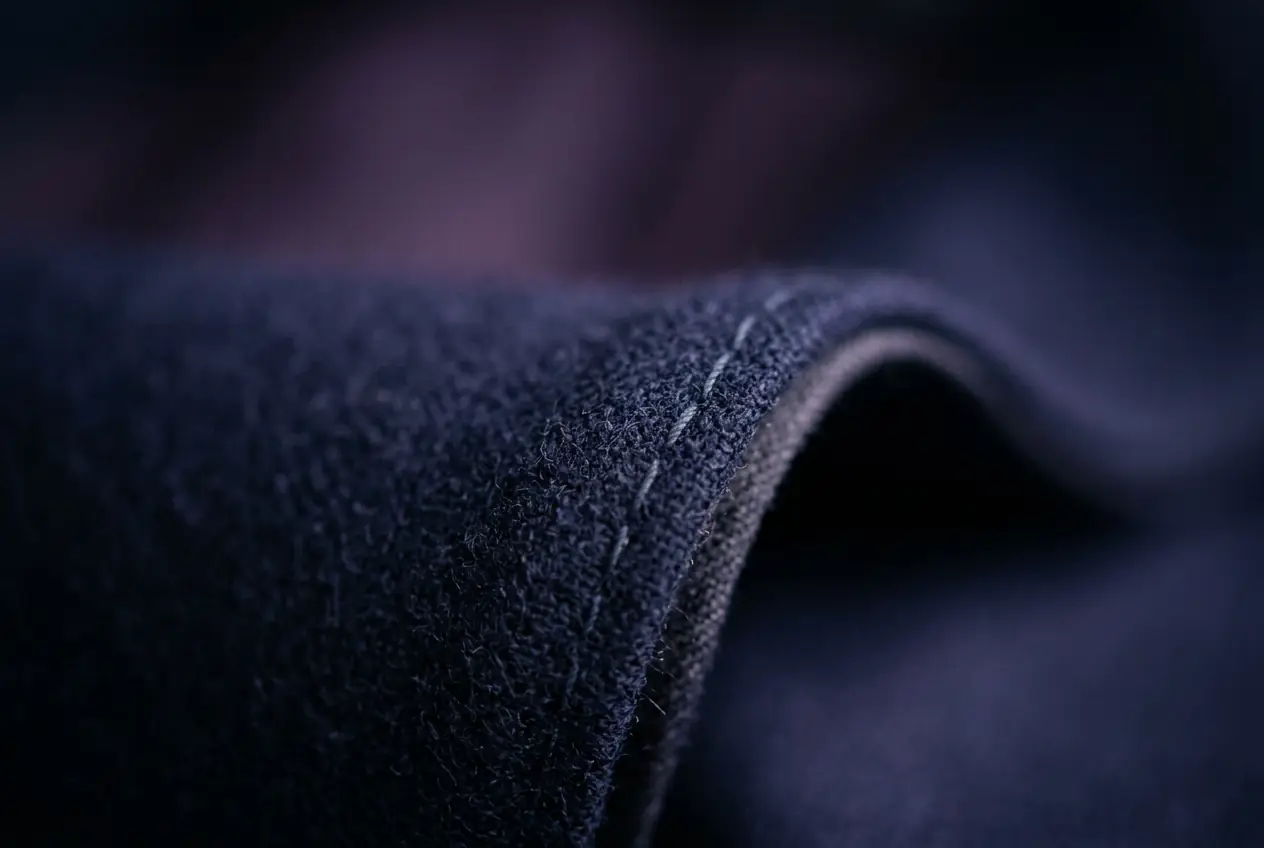
Dry cleaning cleans clothes with a solvent instead of water. It suits fabrics that can shrink or lose their shape in water, such as wool and silk. "Dry" means water is not the main medium, not that no liquid is involved.
How does dry cleaning work?
Solvents dissolve grease and oil well without swelling fibres the way water does. A typical process is:
- Check the care label and fabric
- Inspect stains and treat spots where appropriate
- Clean in a dry cleaning machine
- Press and finish so that the garment regains its shape
How is it different from washing?
| Dry cleaning | Washing | |
|---|---|---|
| Main medium | Solvent | Water and detergent |
| Suits | Wool, silk, structured garments | Cotton, everyday clothes |
| Strong on | Oily stains, keeping shape | Sweat and water-soluble stains |
Some stains, such as sweat, may need a specific treatment too. Dry cleaning is not always better than washing; it depends on the fabric and the stain.
Which solvents are used?
Several exist worldwide, including perchloroethylene (perc) and hydrocarbon. The US Environmental Protection Agency (EPA) has rules phasing out perc in dry cleaning. If you want to know what a cleaner uses, simply ask.
Which clothes should be dry cleaned?
Check the label first; our Dry Clean Only guide explains the symbols. The most common jobs are suits and blazers and dresses and formalwear. If unsure, send us a photo and we will assess it before accepting.
FAQ
Will dry cleaned clothes smell of chemicals?
There should be no strong smell. If you notice one, hang the garment somewhere airy and tell your cleaner.
Can dry cleaning damage clothes?
Any method carries risk if it does not suit the fabric, which is why the label and an assessment matter. No one can honestly promise zero risk.
Can I dry clean at home?
Home kits help with some things, but they are not the same process as professional dry cleaning, so they are not ideal for important garments.